
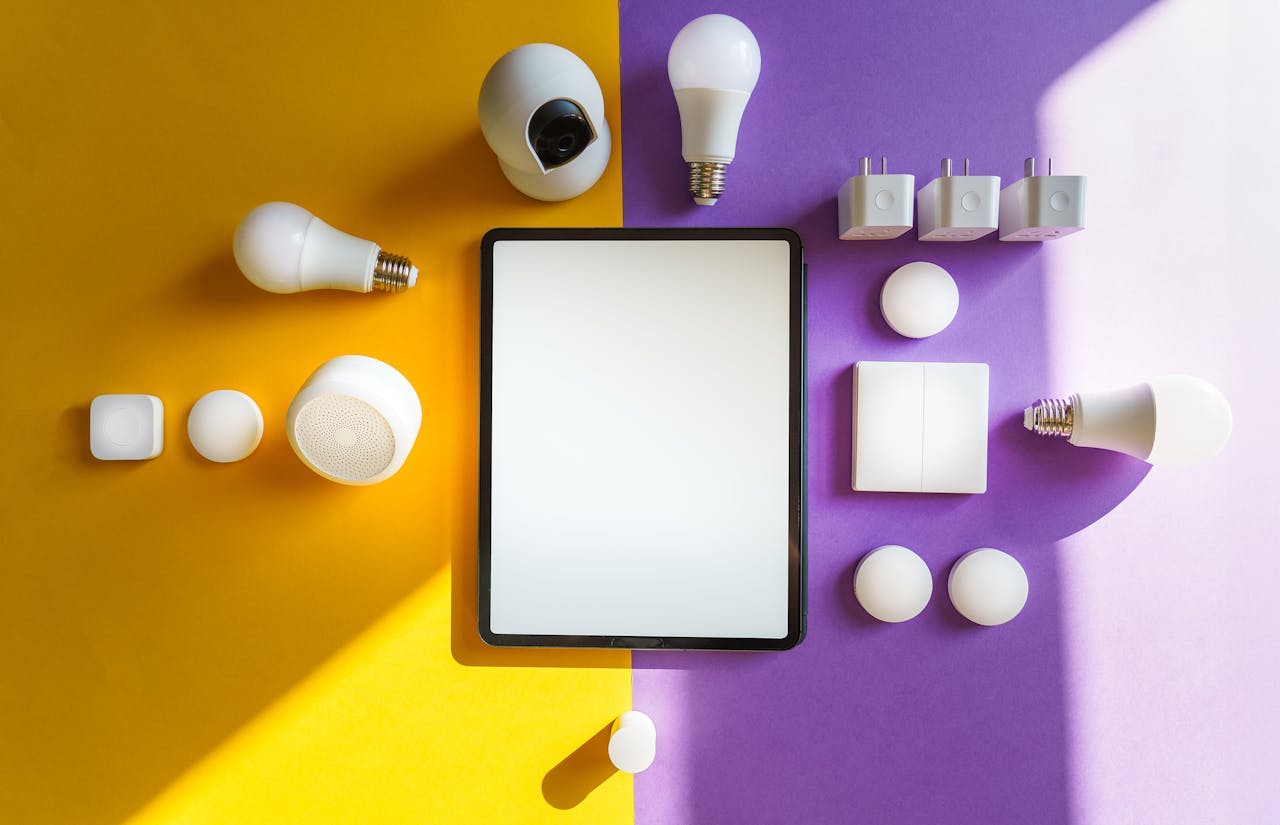
Smart home technology is no longer a futuristic concept—it has become an integral part of modern living. From controlling lights with voice commands to automating security systems, smart devices are transforming homes into connected, efficient, and convenient living spaces. As technology continues to advance in 2026, the adoption of smart home solutions is accelerating, offering benefits in energy management, security, entertainment, and overall quality of life.
What is Smart Home Technology?
Smart home technology refers to devices and systems that are connected to the internet and can communicate with each other, enabling automation and remote control. These devices include smart thermostats, lighting systems, security cameras, smart locks, appliances, and entertainment systems. By integrating these devices into a central platform, homeowners can monitor and control their environment using smartphones, tablets, or voice assistants.
The rise of the Internet of Things (IoT) has been a key driver in the growth of smart homes. IoT allows devices to collect data, share information, and respond to user preferences, making homes more intuitive and personalized. As smart home ecosystems evolve, they are becoming easier to install, more affordable, and capable of adapting to the unique needs of each household.
Benefits of Smart Home Technology
1. Convenience and Automation
Smart home devices simplify daily routines by automating tasks. Smart lighting can turn on or off based on occupancy or time of day. Thermostats adjust temperature settings automatically to optimize comfort and energy usage. Voice assistants like Alexa, Google Assistant, and Siri allow users to control multiple devices hands-free, creating a seamless and efficient home experience. Automation reduces manual effort and makes everyday life more convenient.
2. Energy Efficiency and Cost Savings
Smart thermostats, lighting systems, and energy monitoring devices help homeowners reduce energy consumption. By analyzing usage patterns and providing recommendations, these devices optimize energy efficiency. For example, smart thermostats can adjust heating and cooling based on occupancy, while smart plugs turn off unused devices. Over time, these features lower utility bills and contribute to environmental sustainability by reducing carbon footprints.
3. Enhanced Security and Safety
Home security has been revolutionized by smart technology. Smart locks, cameras, doorbells, and motion sensors allow homeowners to monitor their property in real time. Alerts and notifications can be sent to smartphones if unusual activity is detected. Integration with alarm systems and emergency services ensures rapid responses in case of break-ins or hazards. Additionally, smart smoke detectors and water leak sensors enhance safety by detecting potential dangers before they escalate.
4. Entertainment and Lifestyle Integration
Smart home systems also enhance entertainment experiences. Smart TVs, speakers, and sound systems can be controlled remotely or through voice commands, providing seamless access to streaming services, music, and gaming. Home automation allows for personalized entertainment settings, such as dimming lights and adjusting sound for movie nights. Smart kitchens with connected appliances streamline cooking and meal preparation, integrating convenience into lifestyle routines.
Popular Smart Home Devices in 2026
- Smart Thermostats – Automatically adjust temperature, learn user preferences, and optimize energy use.
- Smart Lighting – Control brightness, color, and schedules remotely or with voice commands.
- Smart Security Systems – Includes cameras, locks, and motion sensors with real-time alerts.
- Voice Assistants – Centralized control hub for managing devices and accessing information.
- Smart Appliances – Refrigerators, ovens, washers, and other appliances with automation and monitoring features.
- Home Entertainment Systems – Smart TVs, speakers, and projectors integrated with streaming services.
- Health and Wellness Devices – Smart beds, air purifiers, and fitness trackers for improved well-being.
Tips for Building a Connected Smart Home
- Start Small: Begin with one or two devices and gradually expand your system. This allows you to learn how devices integrate and interact.
- Choose Compatible Devices: Ensure devices can communicate through the same platform or hub for seamless operation.
- Secure Your Network: Smart homes rely on Wi-Fi, making cybersecurity essential. Use strong passwords, two-factor authentication, and regular software updates.
- Automate Thoughtfully: Focus on automations that save time, improve comfort, and enhance security without creating unnecessary complexity.
- Regular Updates: Keep devices updated with the latest firmware to maintain performance, compatibility, and security.
The Future of Smart Homes
As technology advances, smart homes in 2026 and beyond will become even more intelligent and adaptive. Integration with AI and machine learning allows devices to predict needs, learn preferences, and make proactive adjustments. Smart homes may also integrate more deeply with city infrastructure, enabling energy sharing, optimized traffic alerts, and improved emergency response.
Virtual assistants will become more capable, managing multiple aspects of home life, including shopping, scheduling, and personalized recommendations. Interoperability among devices will improve, reducing compatibility issues and simplifying management for homeowners. Additionally, sustainable technologies such as solar panels, smart grids, and energy storage systems will integrate with smart homes to create eco-friendly living environments.
Conclusion
Smart home technology offers unparalleled convenience, efficiency, security, and entertainment, transforming the way we live. From smart thermostats and lighting systems to AI-driven assistants and connected appliances, the possibilities are expanding rapidly in 2026. Building a smart home enhances comfort, reduces costs, increases safety, and improves overall quality of life.
As adoption grows, the future of smart homes promises even greater connectivity, intelligence, and sustainability. By carefully selecting devices, automating tasks thoughtfully, and maintaining security, homeowners can enjoy a connected lifestyle that is both practical and innovative. Embracing smart home technology today ensures a modern, efficient, and enjoyable living environment for years to come.